
The Fight Over Reputation
The House of Bernarda AlbaBernarda and the village treat honor as a public appearance to be protected, even when preserving it requires cruelty and deliberate concealment.
increasing Bearing strength in each event
 decreasing
Bearing strength in each eventdecreasingMourners as Audience
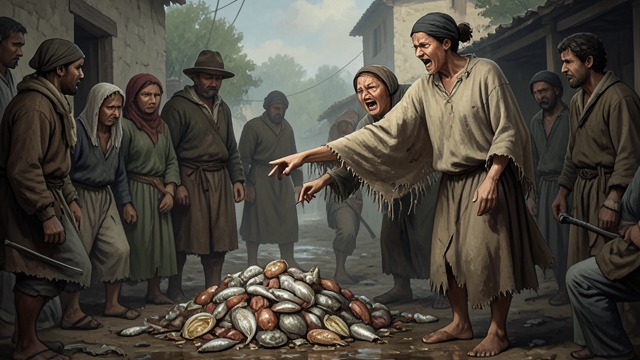
Mourners as Audience
A Public Performance
Bernarda directs the visitors and criticizes the cleanliness of the house. Her concern is not only ritual propriety but how the family appears before its neighbors.
Judgment Runs Both Ways
The women whisper hostile descriptions of Bernarda while participating in her service. Public respectability is contested even as everyone observes its rules.
Windows and Gossip
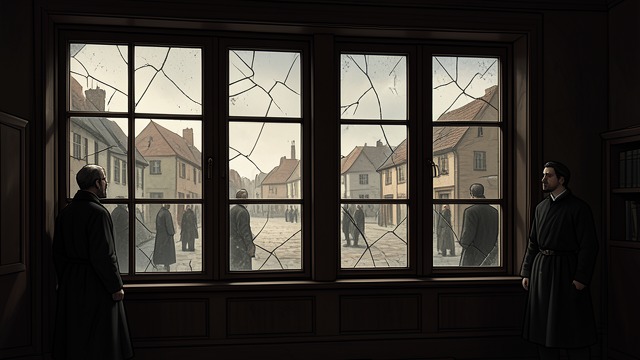
Windows and Gossip
Looking Becomes Suspicion
Bernarda questions Angustias for looking toward men on the day of the funeral. A glance can become evidence in the village’s moral accounting.
The Household on Display
Bernarda fears what neighbors may see and repeat. The daughters’ ordinary curiosity is governed by the possibility of gossip.
The Family Must Look United

The Family Must Look United
A Repaired Appearance
Bernarda tells Angustias to forgive Martirio over the portrait so the family can preserve a respectable façade. Private truth is secondary to a harmonious surface.
Conflict Buried, Not Solved
The sisters’ jealousy remains active, but Bernarda treats silence as a solution. The policy makes future violence more likely by denying open discussion.
A Secret Becomes Public
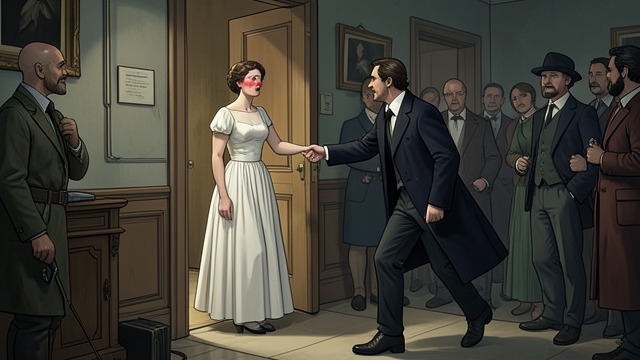
A Secret Becomes Public
Adela Names Her Claim
Adela reveals that she has been with Pepe and declares herself his woman. The family can no longer treat the affair as rumor alone.
Reputation Under Threat
Angustias calls her a disgrace to the house, while Bernarda reaches for a gun. The conflict moves from concealment to the threatened enforcement of honor.
The Virginity Claim
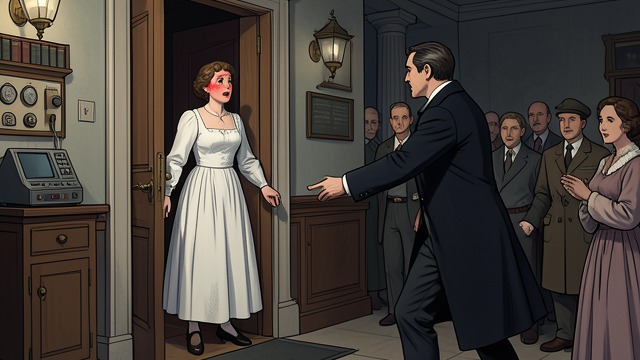
The Virginity Claim
A Narrative Imposed
Bernarda orders that Adela be dressed as a virgin and that no one reveal the truth. Her words seek to control the social meaning of the death.
Honor Over Grief
The claim places family reputation above honest mourning. The final scene exposes the violence required to preserve an appearance the household never truly possessed.
Act One, during the funeral gathering
Act One, when Angustias watches the men
Act Three, after Prudencia leaves
Act Three, during the final confrontation
Act Three, after the body is discovered
